Coach teachers in and model use of online and blended learning, digital content, and collaborative learning networks to support and extend student learning as well as expand opportunities and choices for online professional development for teachers and administrators. (ISTE, 2011)
Most of us have experienced a traditional lecture that seems to go on forever. I had this experience in one of my professional development classes when I was just starting out teaching. The person giving the instruction is currently an administrator at my school, but also a former teacher. The use of technology in this presentation was limited to a projector showing Powerpoint slides. There was not a lot of audience participation. Instead, the audience was asked to just ‘sit and get’ the presentation.
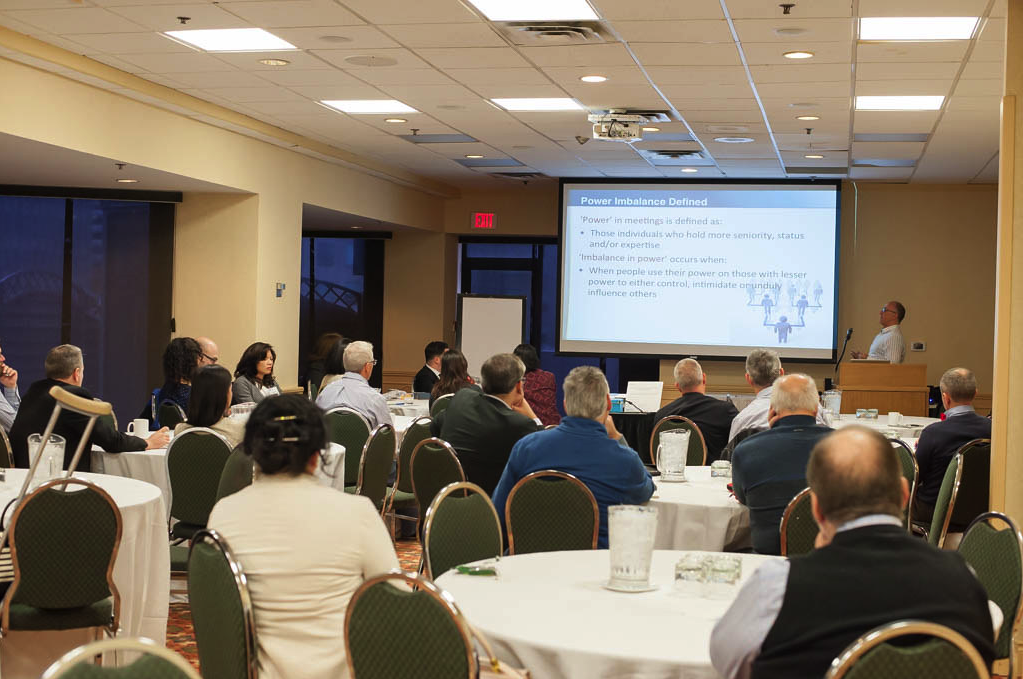
This experience turned out to be a good motivator for me. Specifically, I did not want my students to have the same experience in my computer science courses. This led me on a research journey to find best practices for using technology to teach computer science in higher education. I found a lot of resources for best practices in K-12 education, but not nearly as many for higher education.
One of the best resources I discovered was the CyberLearning Community Report on the Center for Innovation Research in Cyberlearning (CIRCL) website. This resource is not only appropriate for higher education, but specific to computer science instruction. I have shared this resource with my fellow faculty, and it has helped spark interesting discussions about how best to use technology to teach computer science.
One of the outcomes of the faculty discussion over the CIRCL material is my discovery of the college council at my school. The college council consists of a set of administrators and educators driving specific topics impacting the school. One of the sub-committees managed by the college council is the eLearning committee. I immediately joined this committee, and got familiar with the committee members as well as the current set of issues. My membership in this committee has been a great way for me to collaborate with fellow educators on best practices for using technology to make my students learning experience more interesting and meaningful than the traditional ‘sit and get’ lecture.
References
- International Society for Technology in Education. (ISTE; 2011). Standards for Coaches. https://id.iste.org/docs/pdfs/20-14_ISTE_Standards-C_PDF.pdf.