
Design, develop, and implement technology- rich professional learning programs that model principles of adult learning and promote digital age best practices in teaching, learning, and assessment. (ISTE 2011)
In my post on the importance of adult learning principles in computer science professional development, I learned about Knowles et. al six core adult learning principles.
- Learner’s need to know – why, what, how
- Self-concept of the learner – autonomous, self-directing
- Prior experience of the learner – resource, mental models
- Readiness to learn – life related, developmental task
- Orientation to learning – problem centered, contextual
- Motivation to learn – intrinsic value, personal payoff
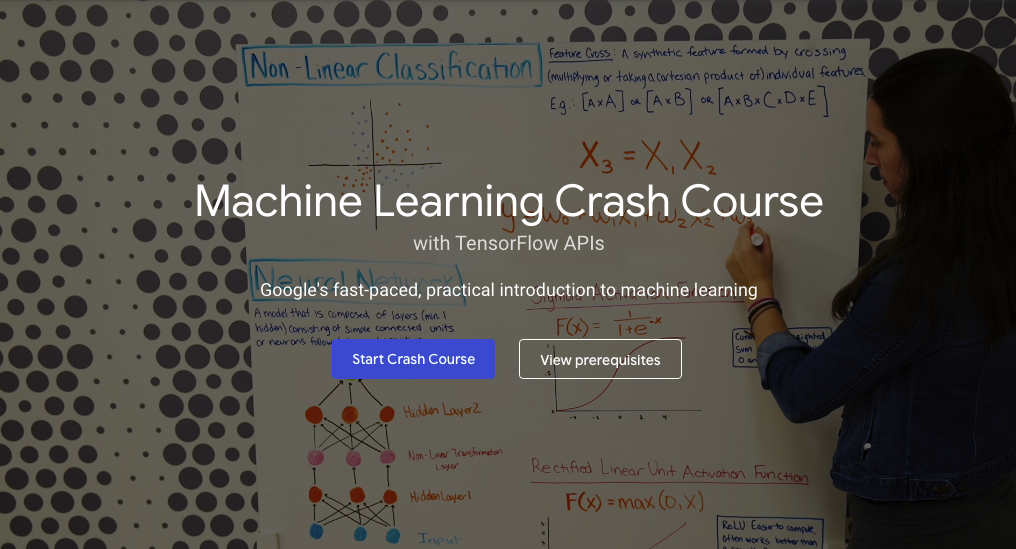
I have found several resources for computer science educators that embody these principles. The first one comes from Google for Education, which offers educators crash courses on timely computer science topics such as data science and machine learning. These crash courses are incredibly helpful to the computer science educator to understand an emerging technology in computer science, particularly with educators that are already short on time with all the other tasks needed to get through a typical day. The crash courses can even be used for students to cover secondary topics that an instructor may not be able to cover by other means. This site is a great resource for professional learning that supports student learning.
References
- International Society for Technology in Education. (ISTE; 2011). Standards for Coaches. https://id.iste.org/docs/pdfs/20-14_ISTE_Standards-C_PDF.pdf.
- Knowles, M., Holton, E., Swanson, R. (1998). Andragogy in Practice, Figure 1-1, Retrieved from http://web.utk.edu/~start6/knowles/andr_in_practice.png.
